
Loudness
When Loud Goes LouderWhat is the loudness? In short words, it indicates how loud the voice you heard. There is a tricky part: it uses dB for the unit of measure, which means that the loudness of most music will be a negative value. Fortunately, it is still a very intuitive unit to measure how loud a tune is - the larger value indicates the louder sound, no exception. Feww!
“So,” you may ask, “why do you separate loudness in this visualisation?”
“Loudness War”
As we described before, loudness has often been the maestro conducting the orchestra of emotions, leading listeners through a journey of sonic highs and lows. However, this auditory attribute has also given rise to a much less harmonious phenomenon known as the Loudness War.
The Loudness War is a rather derogatory term describing the competitive escalation of volume in recorded music over the years. What began as a desire to create a “stand-out” sound soon morphed into a relentless battle of decibels. As artists and producers pushed the volume knobs further, the essence of musical dynamics was often lost, drowned in a sea of noise.
As you venture into the graphic below, the narrative of the Loudness War will come alive. The infographic illustrates the crescendo of loudness in music over the years, juxtaposed against the backdrop of its release year and the global population trends.
between 1990 to 2010
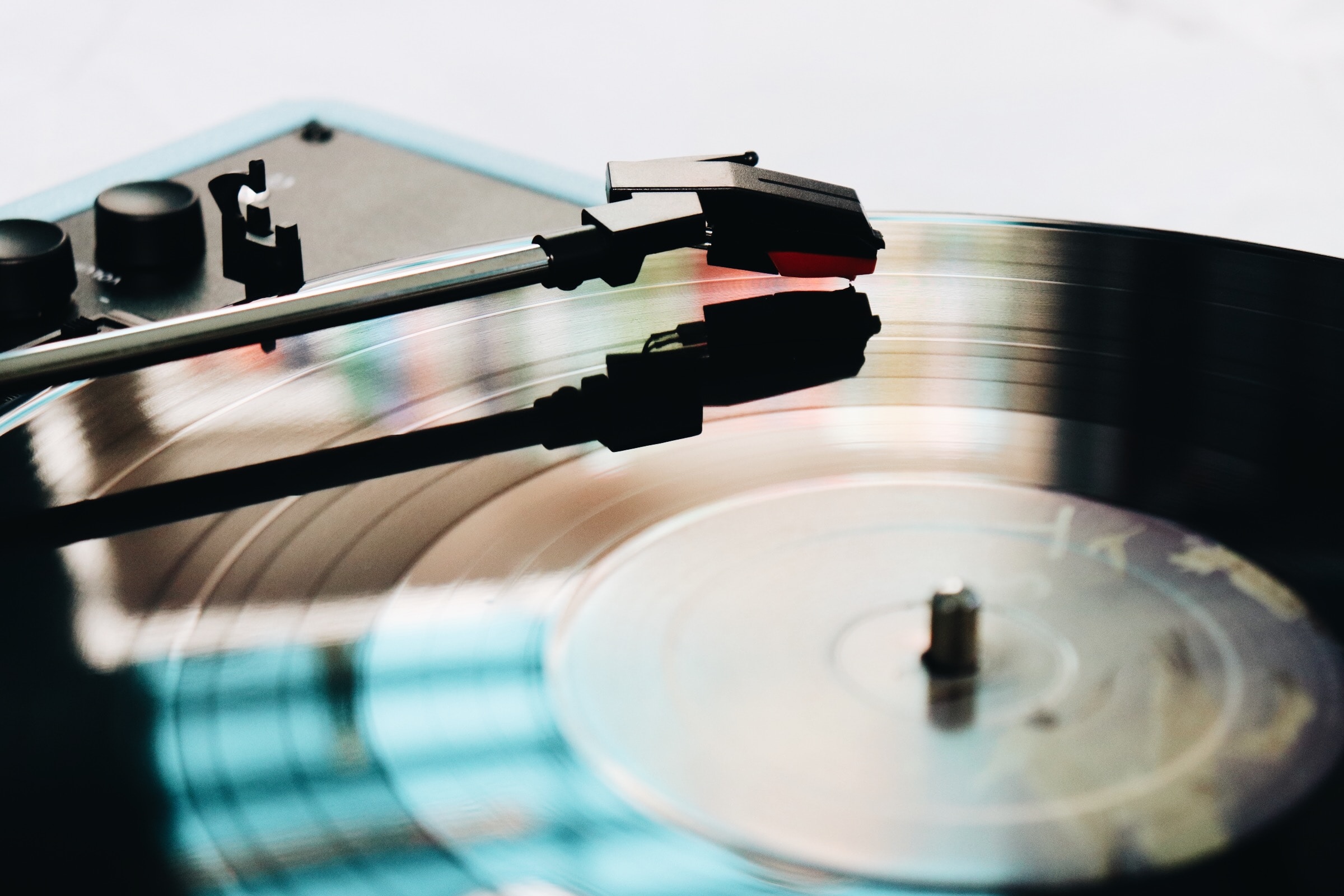
The escalation of the Loudness War was fueled by the shift from vinyl to the high-fidelity medium of CDs, which allowed for louder audio playback. However, the advent of metadata in the digital era brought a ceasefire. Metadata enabled loudness normalization across digital audio files, halting the need for over-compression and marking a retreat in the decibel race, thus allowing the richness of musical dynamics to resurface.
Through this evolution, technology and mediums showcased its dual role - both igniting and quelling the loudness skirmish.
Length
Too long; didn’t listen.How long is a song suitable for expressing emotion for its composer, singer or audience? It depends on various conditions (and today, we will not discuss this). However, The state that will affect the average length of popular music is evident: medium.
The capacity of each medium is various. A vinyl disc can hold 20 minutes of voice on each side (so it can hold up to 40 minutes in total).
Sounds too short to enjoy? Well, it is absolutely a massive step in analog recording - a roll of phonograph cylinder can only record around 3~5 minutes of sound. Crazy, right?
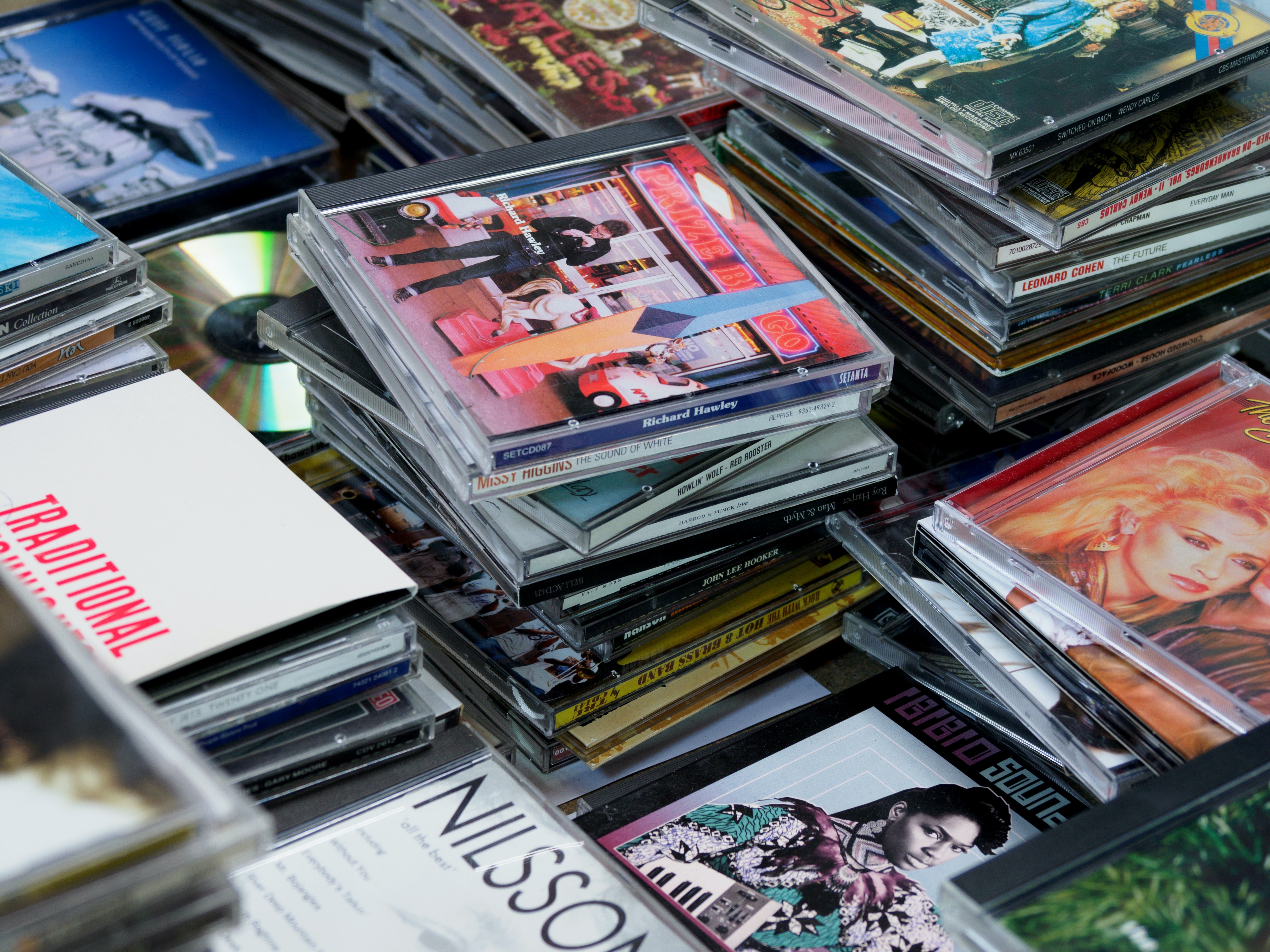
Welcome to the digital era! For your newbie package, your first weapon is called “CD”, which means “compact disc”. You can shoot 80 minutes of groove laser on each CD. It already doubled the music capacity by a vinyl in a tiny body.
Most people may not know the “MiniDisc” or “MD”. However, it is “the last glory of the physical medium”. The latest version of MD is called “Hi-MD”, which can store 45 hours of music. Oh, it also compressed the physical volume and has a jellybean-styled plastic case. Yummy!
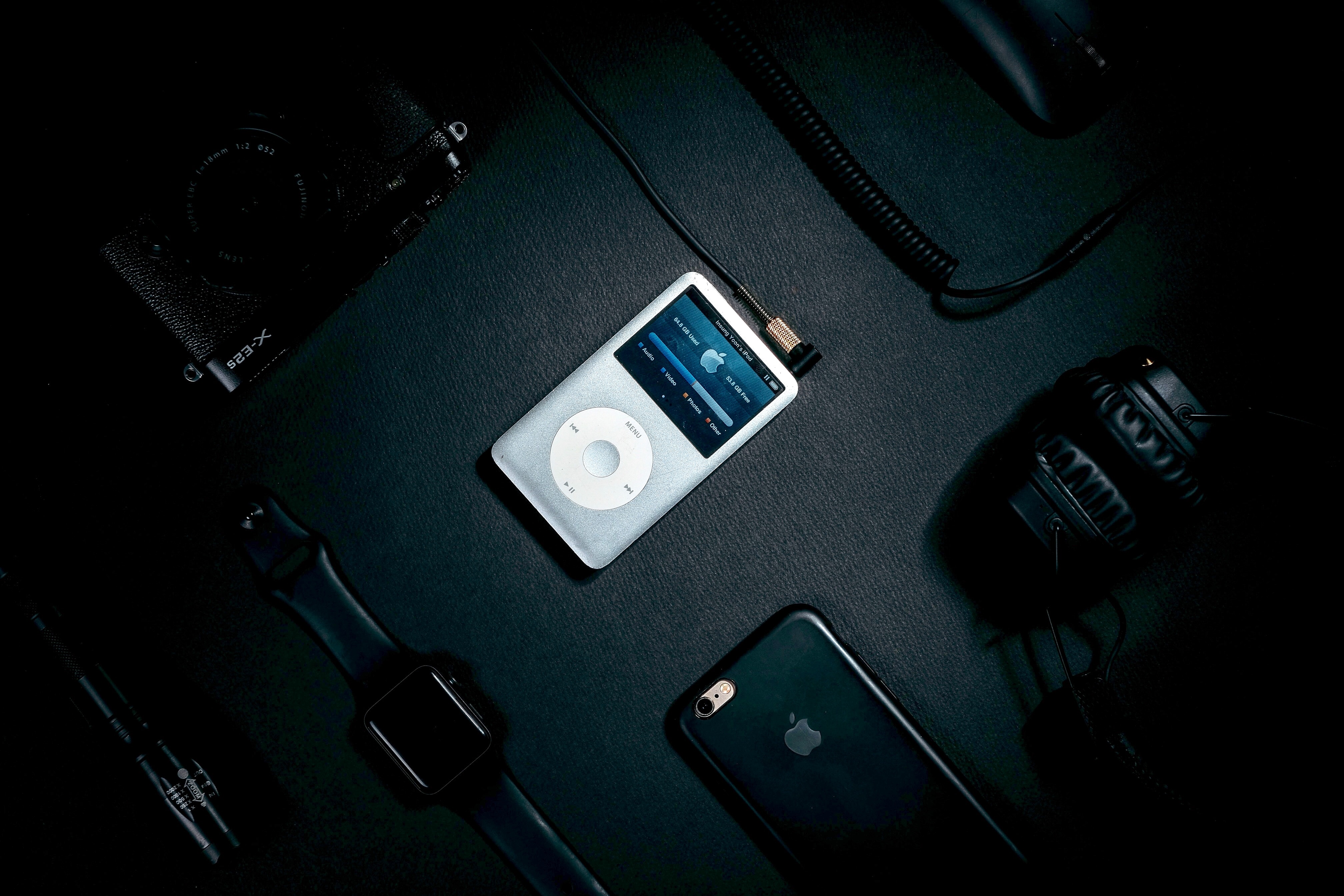
It is a tricky task to evaluate the capacity of an MP3 player because there are a lot of MP3 players that have various storage specifications. Some players support expanding the storage with swappable storage cards! However, you cannot deny that MP3 is a massive revolution of music medium, for even a regular MP3 player with 10 GB capacity can hold up to 74 hours of high-quality (320 kbps) music.
This is the length of the longest song verified by Guinness World Record. It’s called “Shri Ram Charit Manas” and includes 15,000 verses. If you want to put it into vinyl records, you may need to prepare at least 189 ones!
On the digital side, the MP3 does not have a length or size limit (theoretically), so you can easily hold up the longest song in just one file or even stream it directly.
So, are the popular songs nowadays longer than ever? Well, yes, and no. You will find why in the following graphic.
You may find an interesting phenomenon in the graphic: the average length of the songs released each year kept increasing until around the 1990s. It makes sense because the CD was widely spread after the 1960s and extended the canvas for music composers to express their emotions on a thin disc. So, the higher capacity of the medium can help expand the work and have more volume of information.
However, the average duration of songs turned to a decreasing trend after the 1990s, which matches the appearance of digital music, including MP3 format, Napster and iPod with iTunes Store.
The appearance of Napster and iTunes Store allows music audiences to listen to a single song without downloading or purchasing the full album. It seems a slight modification but changes trends in music consumption: it is like the audience just watches the highlights of a movie without watching the full version. The music composers will focus on creating more music that the audience loves instead (for more income) instead of the work that expressing their self.
In another angle, pop music composing is a field that has proven theories: intro, verse, bridge, chorus... In other words, there is a fixed and accepted pattern that composing pop music, which dates back to the vinyl era. So, in the next histogram, you can see the duration distribution of all songs in the specific period. Tip: you can change the beginning and the end of the period freely.
Unlike classical music, pop music is an industrial-oriented music format or style. The theoretical length of pop music is relatively fixed at around 3~5 minutes, largely thanks to the limit of vinyl - do you still remember how much music a vinyl can hold up to?
The medium’s power is more robust than we can imagine: even if we can hold unlimited music, the composers still make music in old-fashioned but wide-verified ways. It not only shapes the voice we hear but also creates the culture.
The length is just one dimension that reflects this power.
Genres & Elements
Stylish stylesHuman is a species that loves to “categorise” everything - foods, drinks, knowledge, everything. The music is not an exception, and we gave the “category” of the music a shiny name: genres.
Well, it may not be a good idea to draw an equal sign between the two words “category” and “genre”, but there is no doubt that the genre is an excellent tool to help us understand “how the song sounds like” before we listen to the music, and give us an expectation.
Different genres of songs suggest that they differ in the sequencer or composing but also have other elements and their concentration - like the ratio of human voices, various instruments, and more. In the following graphic, we will dive into the single songs and their properties - Speechiness, Acousticness, Instrumentalness, Liveness and Valence. What do those properties mean?
In more specific, we will show the average of those properties in each year. Scroll the page to view the data changes in years.

At the end of the journey
Music never ends; your journey does not end either.
The voyage through the realms of music and its medium, as presented before, has unfurled a captivating narrative embedded within the attributes of loudness, length, and genre & elements. The visual discourse escorts us through a melodious pathway, where the medium orchestrates a distinctive rhythm in the way music is perceived, experienced, and evolved.
Technology innovation prefers something other than a sci-fi story, which has cool and shiny gadgets and a holographic interface. Instead, it often narrates a tale of gradual evolution, where each chapter contributes to altering the rhythm of life and the way we interact with the world around us, including the realm of music. The mediums through which music is delivered have not just been passive conduits but active participants in shaping the auditory landscape.
Remember, music is just a slice of the whole story - I mean, books, movies, news, etc., those are also being affected by the medium. We hope that the visualisation can begin the discovery journey through the spread of the media. In other words, this journey is just the beginning of the discovery.
Good luck!